

 Facebook
 X
X
 Pinterest
 Copy Link
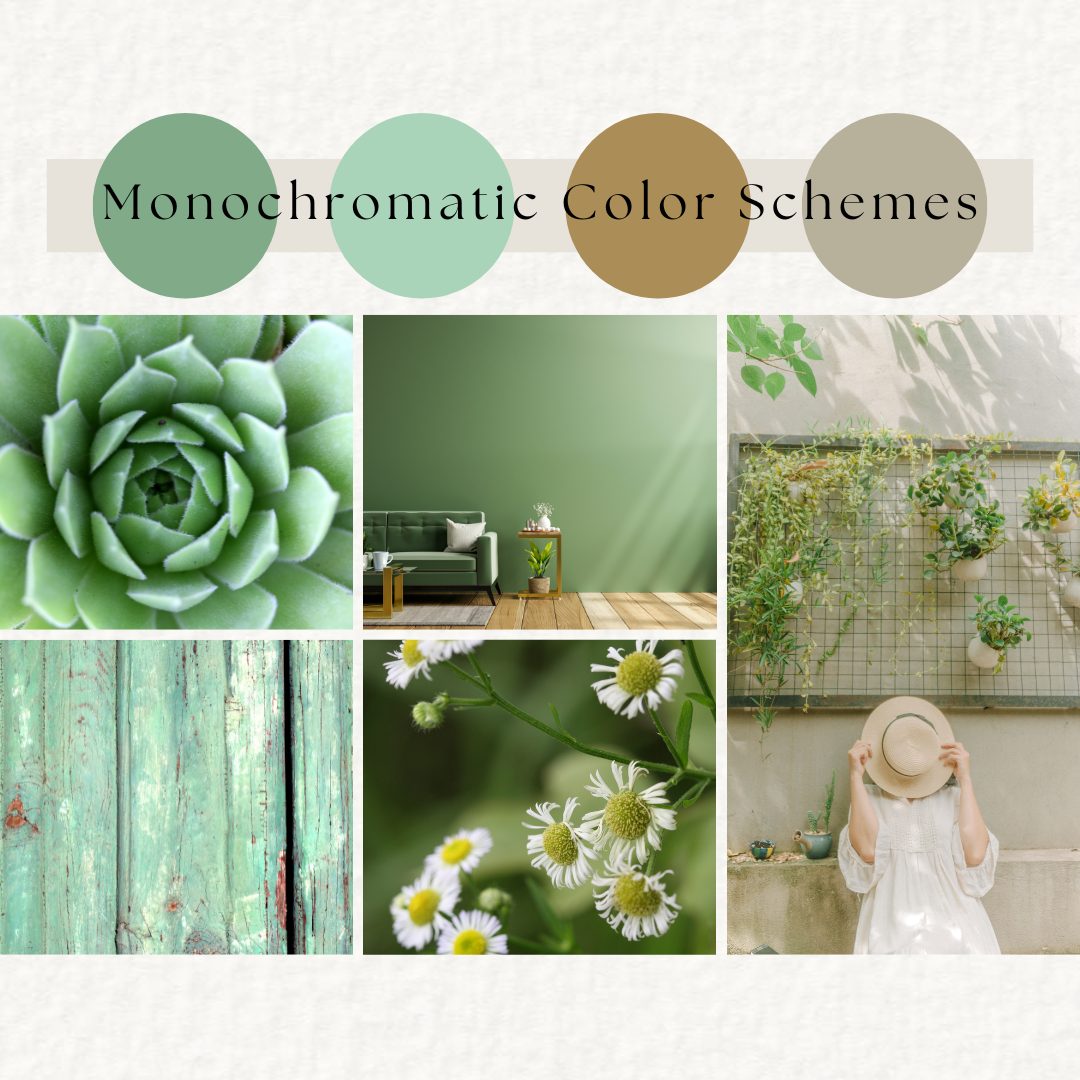
Designing with Monochromatic Color Schemes!
Decorating with a monochromatic color scheme involves centering your room’s design around one dominant color. By layering varying shades, tones, and intensities of that color, you can create a visually cohesive yet dynamic space. This approach is both elegant and versatile, allowing you to craft a harmonious environment that suits your personal style and the room’s purpose.
What Is a Monochromatic Color Scheme?
In essence, a monochromatic color scheme uses one base color throughout the room, enhanced with lighter and darker variations. This layered effect brings depth, texture, and interest to the space without relying on multiple competing hues.
How to Get Started
- Choose a Base Color: Begin by selecting a base color for the walls. Opt for a shade you’ll enjoy long-term, as it will set the tone for the entire room. Consider how much natural light the room receives:
- Brighten the Space: Use lighter, more reflective shades in rooms with limited natural light.
- Tone Down the Room: Darker shades can create a cozy, sophisticated atmosphere in well-lit areas.
- Layer Shades and Tones: To achieve balance and dimension, incorporate at least two lighter and two darker shades of your base color. These variations can appear in:
- Furniture and upholstery
- Accent pieces like throw pillows or rugs
- Wall trims, ceilings, and moldings
- Incorporate White or Neutrals: White, often considered the lightest tone of any color, is a versatile addition to monochromatic schemes. Use white for trims, ceilings, or decorative accents to provide contrast and brighten the space, adding a crisp, clean look.
Making the Most of Different Rooms
The choice of base color should reflect the purpose and mood of the room:
- Bedrooms
- Calming Blues: Blue is a classic choice for relaxation and tranquility. Opt for a bright sky blue for a cheerful atmosphere or a deeper blue-gray for a dramatic, moody effect.
- Muted Greens: A soft sage or mint green creates a serene retreat, especially when paired with natural textures like wood or linen.
- Small Spaces
- Sunny Yellow: Ideal for rooms with minimal natural light, yellow brings warmth and vibrancy. Earthier tones of yellow paired with black or neutral accents can add sophistication.
- Living Rooms and Hallways
- Elegant Neutrals: Subtle shades of beige, taupe, or gray offer timeless elegance while maintaining a monochromatic feel.
- Workspaces
- Soft Greens: Reflecting the biophilic design trend, green tones inspired by nature foster a sense of calm and focus.
Choosing Accent Colors
While monochromatic schemes focus on one color, introducing a complementary accent can enhance the design. For example:
- In an all-white room, a touch of black or metallic adds modern contrast.
- In an all-black space, a pop of gold or vibrant red can create a striking focal point.
Accents should be used sparingly to maintain the overall harmony of the monochromatic palette.
Tips for Success
- Pay attention to undertones (e.g., blue or yellow undertones in greens) to ensure the shades blend seamlessly.
- Use varying textures and materials to add depth, such as matte walls paired with glossy furniture or soft fabrics against sleek finishes.
- Balance is key—too much of a single tone can make the room feel flat, while thoughtful layering creates dimension.
Why Choose Monochromatic?
Monochromatic designs simplify the decorating process and eliminate the risk of clashing colors. They create a cohesive, sophisticated look that feels intentional and polished.


